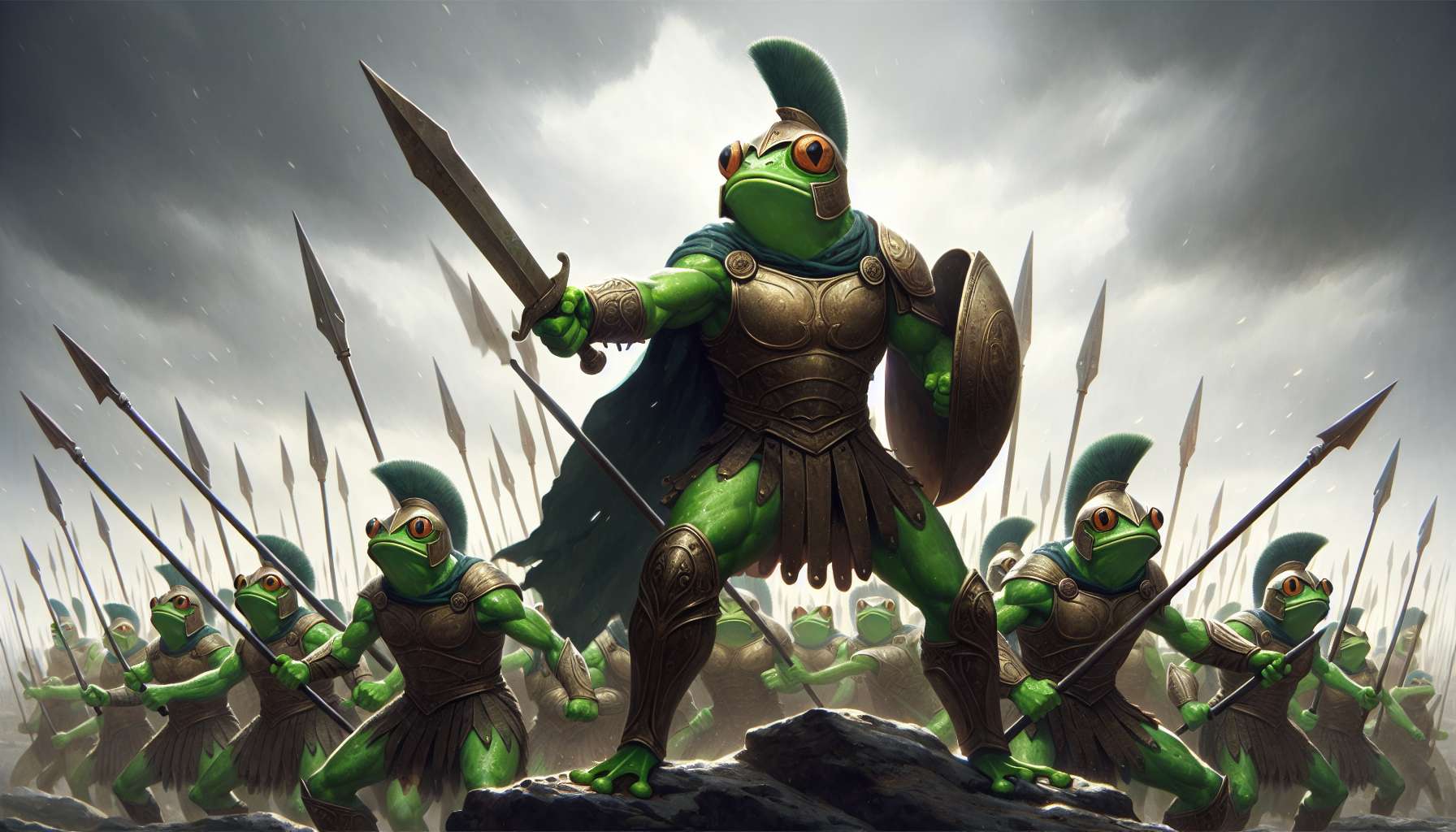



“Clear and Concise: Today’s Headlines and Facts”
“Strap In: How Fighters Ready Themselves for the Frontline”
Before heading into battle, preparation is key. Soldiers must ensure their weapons are cleaned and operational. Ammunition must be checked and counted. Proper protective gear is essential and should be inspected for any damage. Communication devices need to be working and fully charged. It’s crucial to have a plan and understand the mission goals. Troops must be hydrated and fed, as stamina is critical. Securing a supply line is a must to sustain troops during combat. Lastly, mental readiness is vital; soldiers must be briefed and mentally tough for what lies ahead.
“Gear Up: Must-Have Essentials for Frontline Combat”
- Helmet: Protects the head from shrapnel, bullets, and other battlefield hazards.
- Body Armor: Shields vital organs against projectiles and blasts.
- Rifle: Primary weapon for engaging enemy forces at distance.
- Ammunition: Bullets needed to load into rifles and other firearms.
- Sidearm: A secondary weapon such as a pistol for backup purposes.
- Combat Boots: Durable footwear that provides support and protection on rugged terrain.
- First Aid Kit: Contains medical supplies for emergency treatment in the field.
- Radio: A device for communicating with other units and for receiving orders.
- Tactical Backpack: Carries essential gear and supplies for sustained operations.
- Water Supply: Hydration systems or bottles to ensure sufficient water intake.
- Map and Compass: Basic navigation tools for orienting in unfamiliar terrain.
- Night Vision Goggles: Equipment that allows sight in low-light conditions.
- Camouflage Uniform: Clothing designed to blend with the environment to avoid detection.
- Multi-tool: A versatile tool for performing various repair and adjustment tasks.
- Flashlight: Provides illumination in dark or night-time operations.
- Dog Tags: Identification tags containing the soldier’s information for recognition purposes.
“Essential Tactics: Core Battle Strategies for Troop Success”
In battle, there are some basic strategies that help soldiers succeed. Firstly, knowing the terrain is crucial. Understanding the land helps with movement and setting traps. Soldiers often use surprise attacks to catch the enemy off guard. This can quickly change the course of a fight. Flanking the enemy, which means attacking from the side, is another effective tactic. It disrupts their defense. Communication among troops is vital to coordinate actions. Furthermore, having a strong defense position helps protect soldiers from enemy attacks. Finally, retreating is sometimes necessary to save lives and regroup. These strategies are simple but can make a big difference in battle.